Diamond Color Treatments Explained
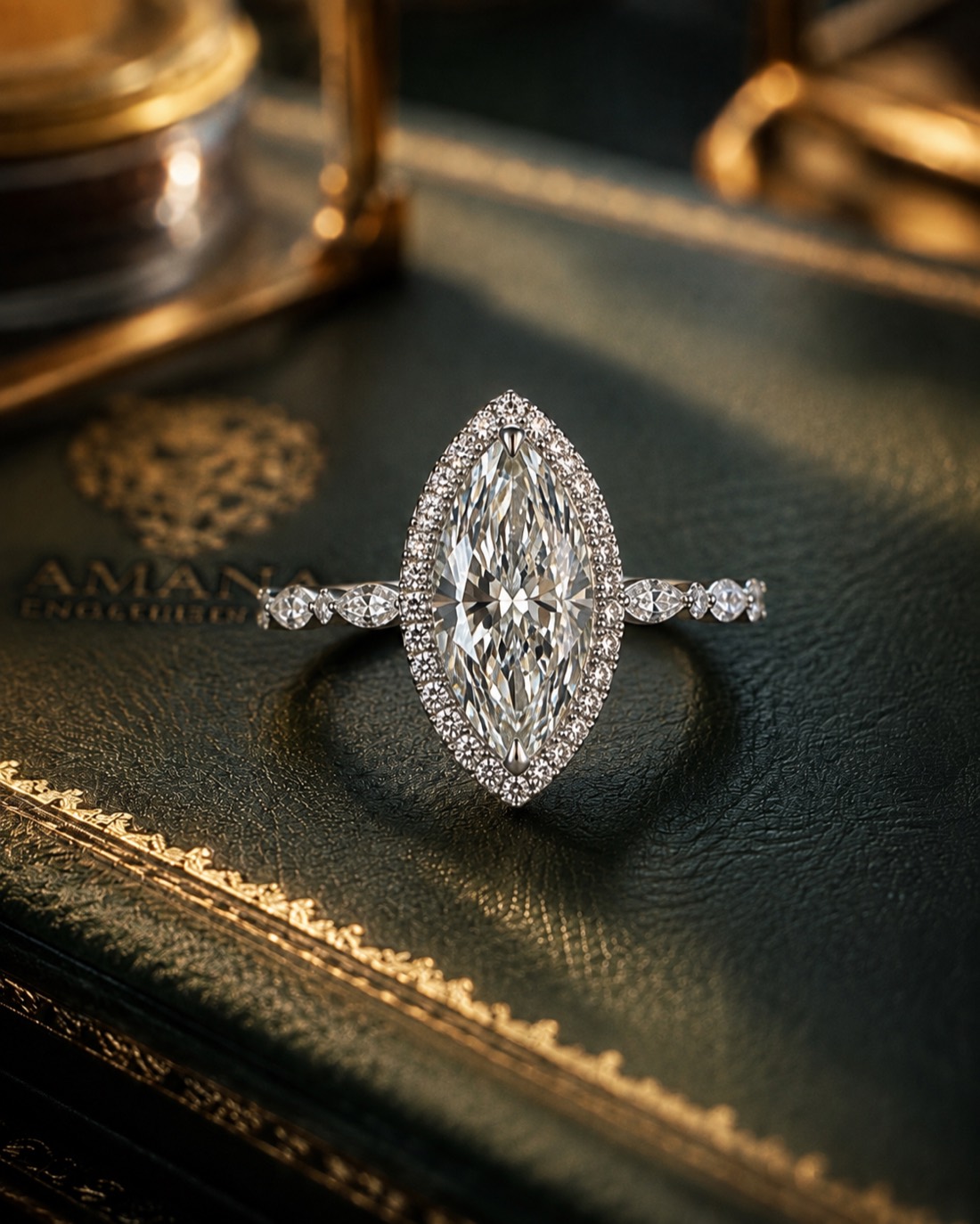
Color treatments show up in both natural and lab-grown diamonds, and the terminology gets confusing fast — "treated," "enhanced," "irradiated," and "HPHT-processed" all mean different things depending on context. Here's what's actually happening.
What Counts as a Color Treatment
Irradiation. The diamond is exposed to radiation (in a controlled lab setting) to alter its color, often producing green, blue, or yellow hues. It's a long-standing, well-understood process, and irradiated diamonds are safe to wear — the radiation doesn't linger in the stone.
Annealing (heat treatment after irradiation). Often paired with irradiation, annealing further shifts the color, commonly toward pink, orange, or yellow tones.
HPHT color treatment. High pressure and high temperature can be used to change a diamond's color, most often to remove a brownish tint from a natural diamond and produce a whiter or, in some cases, fancy-colored result. (Note: HPHT is also used as a growth method for lab diamonds — the same acronym describes two different things, which causes a lot of confusion.)
Coating. A thin surface coating can shift apparent color, but this is considered a lower-durability treatment since coatings can wear or chip over time, unlike treatments that alter the stone's actual structure.
Treated vs. Untreated: What Actually Changes
A treated diamond is chemically still a diamond — treatments don't turn it into a different material. What changes is:
- Price. Treated diamonds typically cost less than natural-color diamonds with a comparable look, since the color was engineered rather than naturally occurring (or, for lab diamonds, achieved without extra processing).
- Disclosure requirements. Reputable dealers and grading labs are required to disclose color treatments on the certificate — look for language like "treated," "HPHT processed," or "irradiated" on the grading report.
- Resale expectations. Treated stones generally carry different resale value than untreated stones of similar visual color, which matters if long-term value retention is a priority for you.
How to Know If a Diamond Has Been Treated
The certificate is the reliable source — GIA, IGI, and other major labs note treatments explicitly. If a seller can't produce a certificate, or the certificate doesn't mention treatment status one way or the other for an unusually vivid color at a low price, that's worth asking about directly before buying.
Is Buying a Treated Diamond a Bad Idea?
Not inherently. A disclosed, properly graded treated diamond can be a legitimate way to get a striking color at a lower price point than a naturally colored stone. The issue only arises when treatment isn't disclosed, or when a buyer pays natural-color prices without realizing a stone was treated.
Frequently asked questions
Is a color-treated diamond a fake diamond?
No. It's a real diamond that underwent a process to alter its color. It differs from a simulant (like cubic zirconia) or a diamond substitute — the material itself is genuine diamond.
Does color treatment affect a diamond's durability?
Most treatments (irradiation, HPHT, annealing) don't meaningfully affect durability. Surface coatings are the exception, since they can wear over time.
Should a treated diamond cost less than an untreated one?
Generally yes, for stones with comparable visual color — treatment is a lower-cost path to a certain look compared to sourcing a naturally colored stone with the same appearance.
How can I confirm whether a diamond has been treated?
Check the grading certificate from a major lab like GIA or IGI — treatments are disclosed there. Ask the seller directly if it isn't clear.
So Where Does This Leave You?
Treated diamonds aren't something to avoid outright — they're something to buy with full information. As long as the treatment is disclosed and reflected in the price, there's nothing wrong with choosing one. The risk is only in not knowing what you're looking at.
Why This Is Where Amana Fits In
Full transparency on exactly what stone you're getting — treated or not, lab-grown or natural — is part of how Amana works. When you design your ring, your designer walks you through the certificate, the grading, and any treatment status of the stone you're considering, so you know precisely what you're paying for before you commit.
Design and craftsmanship for a ring typically runs $1,500-$4,000 total, with pricing shaped by the stone you choose — a treated stone at a given size and color often costs less than an untreated one with a similar look, and your designer can walk you through that tradeoff directly. Larger or rarer stones can push above that range depending on your choices.
From your first conversation to a finished ring is usually about the same timeline either way: a design consultation with AI-assisted visuals, a CAD file roughly 3 days later, approval and balance payment through an email link, and pickup about 2 weeks after that. If you want a designer to walk you through your stone options honestly, get in touch.