Return, Warranty, and Service Policies
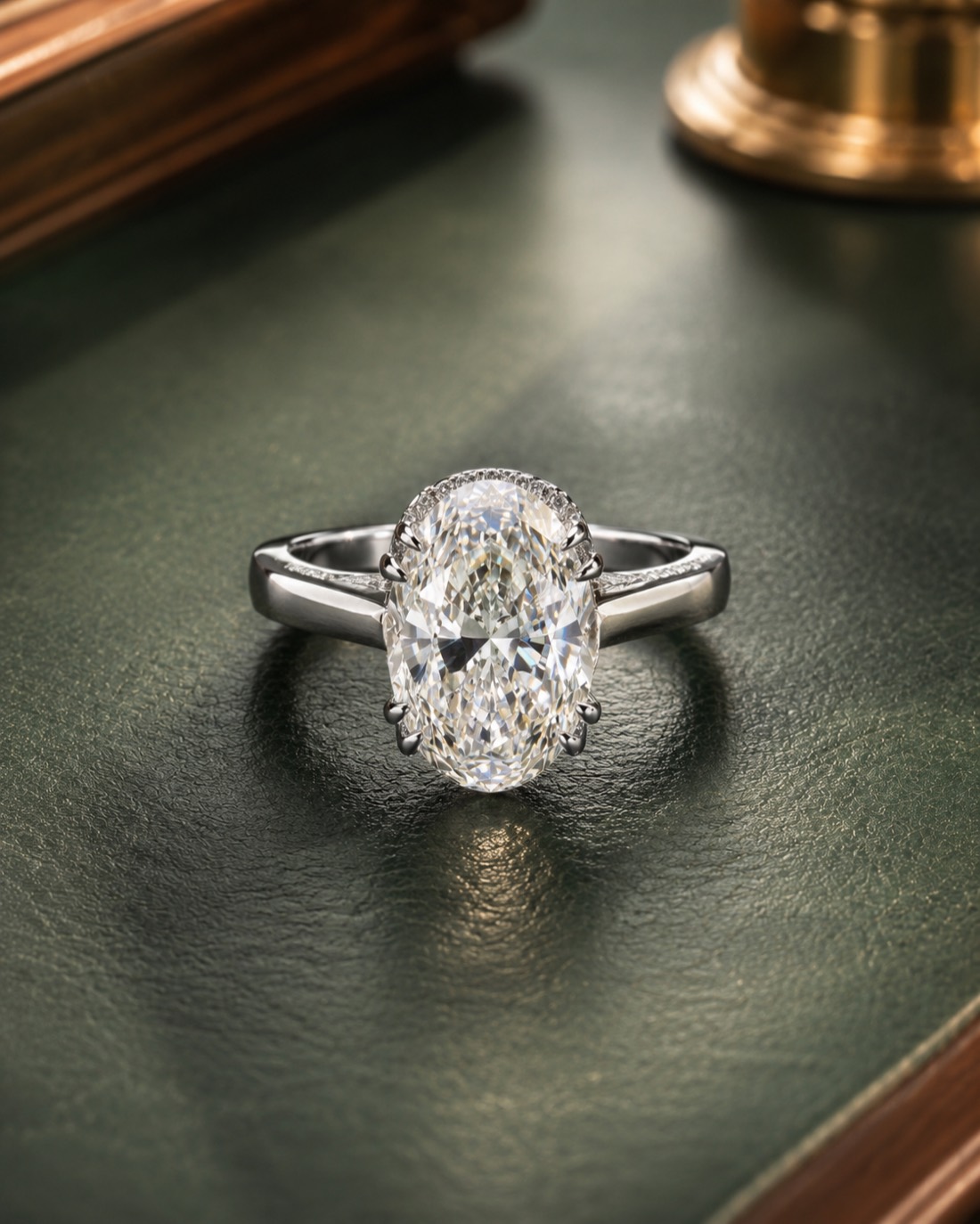
This is the after-the-sale step of our ultimate engagement ring buying guide — the part about what the seller still owes you once your money is gone.
Three different things people mix up
Returns undo the sale. Time-limited, usually short.
Warranty covers the ring being defective or needing routine service. Comes from the seller or manufacturer, free or bundled.
Insurance covers you losing it, someone stealing it, or it getting crushed. Comes from an insurer, costs money annually, and is the only one of the three that protects against the things that actually happen. If you don't have it, that's a separate and more urgent conversation — see our engagement ring insurance guide.
People routinely assume a "lifetime warranty" means the ring is covered no matter what. It doesn't. Warranty covers the ring failing. Insurance covers the world happening to the ring.
Return policies: read the fine print before you pay
Typical shapes:
- 30 days, full refund. The most common at larger retailers and online sellers. Usually requires the original packaging, all paperwork, and the ring in unworn condition.
- Shorter windows, 7 to 14 days, common at smaller independent stores.
- Store credit only. Legal, common, and something you should know before you hand over money, not after.
- No returns on custom work. Standard across the industry and genuinely reasonable — a ring built to your specification can't be resold. What makes it fair is a design approval step, so you sign off on exactly what's being made before it's made.
- Restocking fees, sometimes on special orders. Ask.
Things that quietly void a return:
- Having it engraved
- Having it sized
- Missing the certificate or appraisal
- Any wear at all
- Missing the original box
What to do: get the policy in writing before you pay. A photo of the printed policy or an email from the salesperson is enough. "Everyone knows we take care of our customers" is not a return policy.
What a warranty actually covers
Usually covered:
- Manufacturing defects — a bad solder joint, a setting that wasn't built right
- Prong re-tipping and tightening from normal wear
- Stone tightening
- Rhodium re-plating on white gold, sometimes for a limited period
- Cleaning and professional inspection
- Sometimes one free resize within a set window
Usually not covered:
- Loss of the ring
- Theft
- Damage from impact — a car door, a dropped weight, a countertop
- Stones lost due to damage rather than defect
- Normal wear like scratches and thinning bands
- Work done by another jeweler
- Chipped or broken center stones, in most cases
That second list is the important one, and it's the list a good seller will read to you out loud without being asked.
The lifetime warranty catch
"Lifetime warranty" sounds absolute. In practice it usually comes with a requirement: bring the ring in for inspection every six months, get it logged, and coverage stays active. Miss one and it can lapse, sometimes permanently.
This isn't necessarily predatory. Regular inspection genuinely is how stones stay in rings — prongs wear down and a jeweler catches it in a minute under magnification. The problem is that the requirement is often mentioned once at purchase and never again, and people find out about it when they need the warranty.
Ask these three:
- How often do I have to bring it in, and does it have to be to this location?
- What happens if I miss one — does coverage lapse, pause, or end?
- Is the inspection free, and is there a fee for the work it finds?
If you move, or if the store is a chain, check whether inspections at another branch count. And if the store closes, ask whether the warranty is backed by the manufacturer or only by that shop. A warranty is only as durable as the business behind it.
Paid service plans: are they worth it?
Many retailers sell an extended service plan on top of the included warranty. Whether it's worth it comes down to what it adds that you don't already have:
- If it covers loss and theft, you're buying insurance, and a real jewelry policy is usually broader and portable. Compare.
- If it covers accidental damage the base warranty excludes, that has genuine value, especially for delicate pavé work.
- If it mostly covers cleaning, inspection, and re-plating, consider that many independent jewelers do those free or cheap for anyone who walks in.
Read the exclusions before you decide. The exclusions are the product.
What a good seller owes you after the sale
Regardless of what's written on the paperwork, this is a reasonable baseline:
- A free first resize within some window, since fit is often finalized after the proposal
- Free cleaning and inspection, indefinitely
- Repairs at a fair price and a clear estimate before work starts
- A clear answer on whether repairs happen in-house or get shipped out
- Records of your ring — specs, and for custom work, the design file — so it can be serviced or remade accurately
- Someone who picks up the phone in year three
That last one isn't a policy, it's a pattern, and it's most of what people actually mean when they talk about a good jeweler. If you're still choosing where to buy, this is worth weighing — our comparison of where to buy an engagement ring covers how the categories differ on service.
Frequently asked questions
Can you return an engagement ring?
Usually within a set window — often 30 days at larger retailers, shorter at independents, and frequently store credit only. Custom rings are typically final sale, which is why a design approval step before manufacturing matters so much.
What does an engagement ring warranty cover?
Manufacturing defects and routine service like prong tightening, stone tightening, cleaning, and often white gold re-plating. It does not normally cover loss, theft, or damage from impact — those require insurance.
Do lifetime warranties really last a lifetime?
Only if you meet the conditions. Most require an inspection every six months, logged with the seller, and missing them can void the coverage. It's also only as good as the business standing behind it.
Is an extended jewelry service plan worth buying?
It depends entirely on what it adds. If it duplicates coverage you'd get from a jewelry insurance policy, probably not. If it covers accidental damage that the base warranty excludes, it can be genuinely useful on delicate settings.
Does resizing or engraving void a return policy?
Very often, yes. Both are usually treated as customization, which ends the return window. Confirm before you have either done.
So where does this leave you?
Returns, warranties, and service plans are all answers to the same question: what happens after you've paid?
Read them before you pay, get them in writing, and pay special attention to the exclusions rather than the headline. "Lifetime warranty" tells you nothing on its own. "Covers manufacturing defects and prong repair, excludes loss and impact damage, requires inspection every six months" tells you everything.
But there's a limit to what any policy can promise, and it's this: a warranty is a document, and the thing that actually determines whether your ring gets taken care of in year seven is whether the people who made it are still there and still know how it was built.
What we owe you after the sale
We're Amana Engagement. We design and make custom engagement rings, so we're an interested party — judge this on the specifics.
Because we design your ring, we know exactly how it's built. The CAD file — the precise 3D model you approved about three days after your consultation, before anything was made — doesn't get thrown away. If your ring needs work years from now, the specification for it exists. If it ever needs to be replaced through insurance, it can be remade accurately rather than approximated.
That design approval step is also what makes our process fair on the return question. Custom work is custom work, but you're not signing off on a description — you're signing off on a 3D model of your actual ring, with as many revisions as it takes to get there. Revisions are normal and usually minor. Nothing gets built until you've said yes to what you're looking at.
And here's the pricing, plainly. A comparable ring at a traditional retail jeweler runs around $12,000. That same finished ring bought wholesale still runs around $8,000. We charge for the design and the craftsmanship — typically $1,500 to $4,000 — and you receive a real, certified diamond ring. Larger or rarer stones and more complex builds can run higher, and when that's the case for your ring, we explain exactly why before you commit to anything.
Amana means "trust" in Arabic, and the whole model rests on it: earn your trust, make your ring.